
Christianity in Turkmenistan: Faith in One of the World’s Most Restrictive Nations
1.07.2026
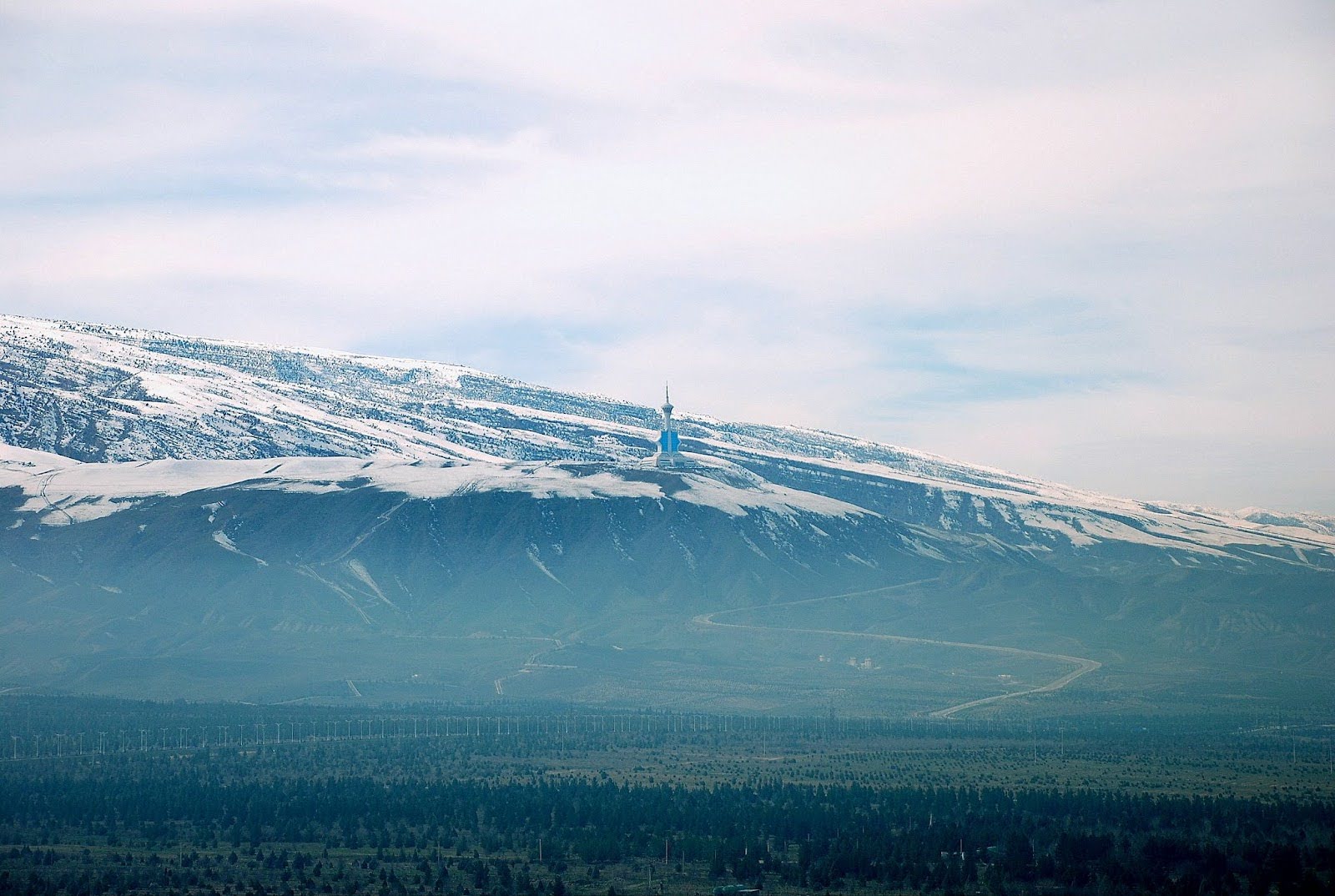
Turkmenistan presents one of the most challenging ministry contexts on earth. This Central Asian nation, often called the "North Korea of Central Asia," combines vast natural wealth with crushing spiritual poverty. Despite possessing 10 percent of the world's natural gas reserves, widespread corruption keeps most citizens trapped in economic hardship. And despite constitutional guarantees of religious freedom, Turkmenistan ranks among the world's most repressive nations for believers.
Yet even here, in one of the darkest corners of the globe, the light of Christ continues to shine through a small but faithful remnant of believers who risk everything to follow Jesus and share His hope with their countrymen.
Understanding Turkmenistan: A Land of Contrasts
Turkmenistan is a landlocked Central Asian nation bordered by Kazakhstan, Uzbekistan, Afghanistan, Iran, and the Caspian Sea. The Karakum Desert covers approximately 70 percent of its territory, creating a harsh landscape that has shaped its people for millennia. The capital, Ashgabat, presents a surreal contrast—grandiose, white marble buildings, golden statues of past presidents, and elaborate fountains stand as monuments to authoritarian excess while ordinary citizens struggle with unemployment and poverty.
After gaining independence from the Soviet Union in 1991, Turkmenistan never experienced the democratic reforms that transformed some of its neighbors. Instead, the country transitioned from Soviet control to an authoritarian cult of personality. The first president declared himself "president for life" until his death in 2006. His successor won reelection with suspiciously near-unanimous votes, and after stepping down in 2022, his son assumed power through an election that international observers deemed neither free nor fair.
This political reality shapes every aspect of life in Turkmenistan, including religious expression. The government maintains strict control over all aspects of society, and citizens face severe restrictions on travel, communication, and association. Many Turkmen cannot leave their own country without government permission, and those who do often face consequences upon return.
The Religious Landscape: Islam Under State Control
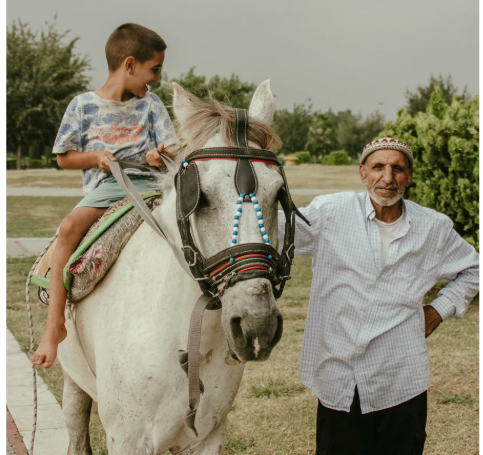
Religiously, Turkmenistan is approximately 94 percent Muslim, predominantly Sunni with Sufi influences reflecting the nation's Central Asian heritage. Russian Orthodox Christians comprise roughly 4 percent of the population, largely ethnic Russians who remained after the Soviet collapse. Evangelical Christians represent less than 0.1 percent—a tiny minority facing enormous pressure.
Islam arrived in the region through Arab conquest in the seventh and eighth centuries, blending over time with indigenous Turkic traditions. During the Soviet era, Islamic practice was suppressed alongside all religion, but cultural Muslim identity survived. After independence, the government permitted a carefully controlled Islamic revival—but only under strict state supervision.
Today, all religious activity in Turkmenistan requires government registration, which is nearly impossible for non-traditional faiths to obtain. The state-sanctioned Council of Religious Affairs oversees all religious organizations, approves all religious literature, and monitors religious gatherings. Even Muslims face restrictions—the government fears Islamic extremism and maintains tight control over mosques, religious education, and Islamic dress.
Christianity in Turkmenistan: A Persecuted Minority
Christianity has ancient roots in Central Asia. Nestorian missionaries traveled the Silk Road as early as the seventh century, establishing communities across the region. Archaeological evidence suggests Christian presence in ancient Merv, once one of the world's largest cities. However, these early Christian communities eventually disappeared, absorbed by Islam or eliminated through conquest.
Russian Orthodox Christianity arrived with the expansion of the Russian Empire in the 19th century, and the Orthodox Church maintains some legal recognition today, primarily serving ethnic Russians. However, Protestant and evangelical Christians operate almost entirely underground.
The 2025 Open Doors World Watch List ranks Turkmenistan 29th among the 50worst countries for Christian persecution. The U.S. State Department designates it a "Country of Particular Concern" for severe religious freedom violations. Human Rights Watch condemns it as one of the world's most repressive and isolated nations.
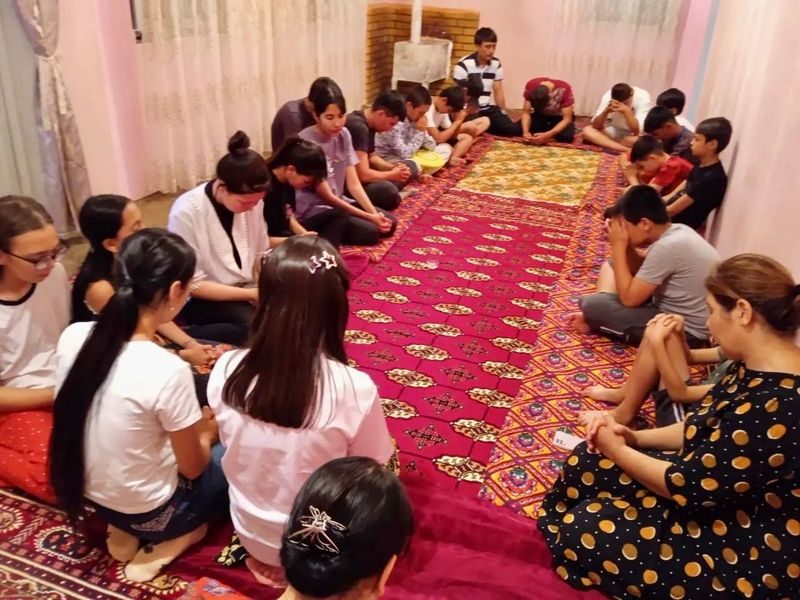
For evangelical believers, daily life involves constant vigilance. House churches meet in secret, frequently changing locations to avoid detection. Police conduct raids on private prayer meetings. Authorities confiscate Bibles and Christian literature—all religious texts require government approval, which evangelical materials cannot obtain. Believers face interrogation, threats of arrest, job loss, and social ostracism.
Converts from Islam face the harshest treatment. In a society where religious and ethnic identity intertwine, leaving Islam for Christianity is seen as betraying one's family, community, and nation. Convert believers often face violence from family members, forced marriage, disownment, and complete social exclusion. Some have been beaten, imprisoned, or forced to flee.
Faith That Perseveres: Stories from the Underground Church
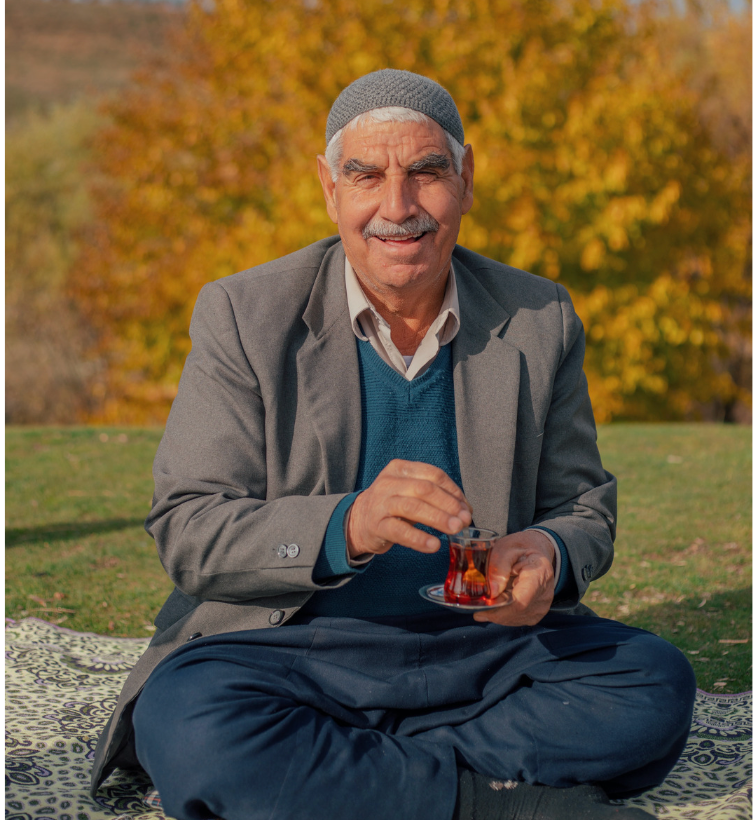
Despite these dangers, courageous Turkmen believers continue to follow Christ and share His love with others. Their stories testify to God's faithfulness in the most hostile circumstances.
Rahim (name changed for safety) serves as pastor of an underground church. Born in 1979 during the Soviet era, he first encountered Jesus in 1993 when a screening of The Jesus Film was still possible in the brief window of religious openness following independence. He repented and joined a church, but within a few years, that window slammed shut. Foreign missionaries were expelled, many Christians fled the country, and Rahim's church was forced to close.
During his mandatory military service as a young man, Rahim's faith weakened. But God pursued him through a faithful believer who shared the gospel with renewed power. Rahim returned to Christ with deeper conviction, and today he leads a small congregation that gathers secretly to worship, study Scripture, and encourage one another.
"When the doors closed and many believers left, God called me to stay," Rahim shares. "This is my country, and these are my people. They need to know the hope I have found in Jesus."
Yusup (name changed) represents the Next Generation of Turkmen believers. A young graduate of Mission Eurasia's School Without Walls program, he ministers to youth despite government scrutiny and personal risk. "We cannot gather openly," he explains, "but we can love our neighbors. Every conversation is an opportunity to share hope. Every act of kindness plants a seed."
These believers understand that following Jesus in Turkmenistan means carrying a cross. Yet they persist, trusting that God hears their cries and will not abandon His people.
How the Church Operates Under Restrictions
The underground church in Turkmenistan has developed creative approaches to ministry that navigate severe restrictions while remaining faithful to the Great Commission.
Small groups meet in homes, rotating locations and times to avoid establishing patterns that authorities might detect. Believers communicate carefully, aware that phones may be monitored and neighbors may report suspicious activity. Trust is built slowly through family networks and personal relationships—the same channels through which the gospel spreads.
Discipleship happens through life-on-life mentoring rather than formal programs. Older believers invest in younger ones, passing on Scripture, teaching, and practical wisdom for living out faith in hostile contexts. New converts learn to count the cost before baptism, understanding that following Jesus may mean losing everything else.
Mission Eurasia introduced the School Without Walls program to Turkmenistan more than a decade ago. This flexible, hands-on leadership training equips believers with biblical knowledge, practical ministry skills, and the tools to disciple others—all while working within severe constraints. In 2025, 24 Turkmen leaders received training through this program, preparing them to strengthen the church and reach their neighbors with the gospel.
The focus on indigenous leadership proves essential in closed countries. Foreign missionaries cannot operate in Turkmenistan, but Turkmen believers can. They understand the culture, speak the language, navigate the social dynamics, and know how to share faith in ways that resonate with their people. When persecution comes, they cannot be deported—this is their home.
A Biblical Perspective: The Church in Hostile Contexts
The situation facing believers in Turkmenistan finds parallels throughout Scripture and church history. The early church grew under Roman persecution, often meeting in homes, catacombs, and secret locations. The Apostle Paul wrote many of his letters from prison, and his chains became opportunities for gospel witness rather than barriers to ministry.
Jesus promised His followers both tribulation and victory: "In this world you will have trouble. But take heart! I have overcome the world" (John 16:33). The believers of Turkmenistan have taken these words to heart. They experience the trouble—but they also experience the overcoming power of Christ working through them.
The writer of Hebrews commended those who "were tortured, refusing to accept release, so that they might rise again to a better life" (Hebrews 11:35). Turkmen believers stand in this tradition. Their faithfulness in suffering produces perseverance, character, and hope that does not disappoint (Romans 5:3-5).
History demonstrates that persecution often purifies and spreads the church rather than destroying it. The blood of martyrs becomes seed, and faith that costs everything proves most genuine. The small church in Turkmenistan may be hidden, but it is real—and it is growing.
Frequently Asked Questions
How You Can Respond
Believers around the world can stand with their Turkmen brothers and sisters through prayer, partnership, and awareness.
- Pray with purpose. Intercede for government leaders—that God would soften hearts and raise up righteous people in positions of authority. Pray for believers facing constant pressure—for courage, protection, wisdom, and supernatural peace. Pray for underground church leaders like Rahim—for safety, spiritual strength, and effective discipleship. Pray for those crushed by poverty and oppression—that they would find hope and freedom in Christ. Pray for the Next Generation—that young Turkmen like Yusup would encounter the gospel and become bold witnesses.
- Partner with national leaders. Indigenous believers are best positioned to reach Turkmenistan for Christ. They need training, resources, and encouragement from the global church. Mission Eurasia's School Without Walls program equips Turkmen Christians for effective ministry despite severe restrictions. Every gift supports brave believers who share Christ at great personal risk.
- Stay informed and advocate. Religious freedom violations in Turkmenistan often go unnoticed by the wider world. Raising awareness in churches and communities helps persecuted believers know they are not forgotten and puts pressure on governments to respect fundamental human rights.
At Mission Eurasia, we are committed to training and equipping the Next Generation of Christian leaders in Turkmenistan and throughout Eurasia. We invite you to join us in this critical mission—whether through prayer, financial support, or raising awareness. Together, we can be the hands and feet of Jesus, bringing hope and transformation to those living in the most restricted places on earth.
Light Shines in Darkness
Turkmenistan represents one of the world's most challenging mission fields. Government oppression, social pressure, and religious restriction create an environment where following Christ costs everything. Yet the church persists.
The believers of Turkmenistan remind us that the gospel cannot be stopped by government surveillance, police raids, or family rejection. Where the Spirit of God is at work, transformation happens—one heart at a time, one conversation at a time, one act of courageous witness at a time.
The light shines in the darkness, and the darkness has not overcome it (John 1:5). In Turkmenistan, that light continues to shine through faithful men and women who have counted the cost and chosen to follow Jesus regardless. Their witness challenges and inspires the global church.
Will you stand with them?
Support Religious Freedom in Eurasia
Stand with persecuted believers through prayer, advocacy, and financial support for Mission Eurasia's Religious Freedom initiative.