
The Eurasian Steppe: Where Nomadic Traditions Meet Christian Mission
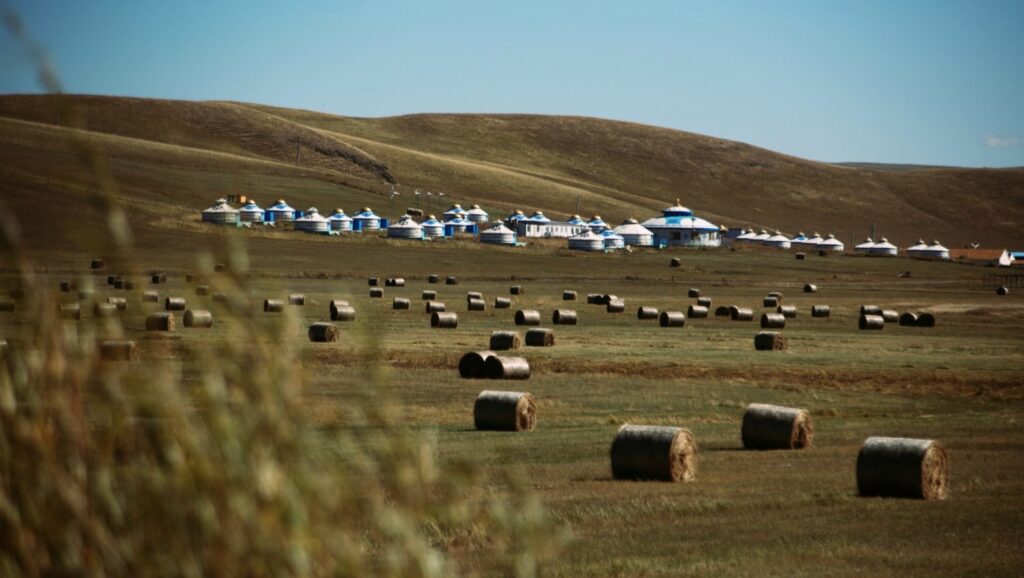
The Eurasian Steppe stretches across the heart of the world’s largest landmass—a vast belt of grassland extending approximately 8,000 kilometers from Hungary in the west to Manchuria in the east. This endless horizon of grass, sky, and wind has shaped human history for millennia. Empires rose and fell across these plains. Trade routes carried goods, ideas, and religions from one civilization to another. Nomadic peoples developed cultures uniquely adapted to life on the move.
"The heavens declare the glory of God, and the sky above proclaims his handiwork. Day to day pours out speech, and night to night reveals knowledge." — Psalm 19:1-2 (ESV)
Today, the steppe remains home to diverse peoples, many of whom have never heard the gospel. The same vast distances that once facilitated conquest and commerce now present challenges for ministry. Yet God is at work across these grasslands, raising up national believers who understand nomadic heritage and can carry the Good News to their own people.
Geography of the Steppe: Earth's Great Grassland
The Eurasian Steppe represents one of Earth's largest biomes—a temperate grassland ecosystem characterized by hot summers, bitterly cold winters, and limited rainfall. The region is defined by what it lacks: too dry to support forests, yet too wet to become desert. The result is an ocean of grass that rolls toward distant horizons in every direction.
The steppe's physical characteristics have profoundly shaped human life. The flat or gently rolling terrain allowed rapid movement on horseback. The grasslands supported vast herds of livestock—horses, sheep, goats, cattle, and camels—that provided nomadic peoples with food, clothing, shelter, and transportation. The extreme continental climate demanded resilience and adaptability.
Major rivers cross the steppe, providing water sources that have attracted settlement for millennia. The Volga, Don, and Dnieper flow through the western Pontic-Caspian Steppe. The Irtysh and Ob drain the Central Asian and Siberian grasslands. These rivers served as highways for trade and migration throughout history.
The Eurasian Steppe can be divided into several major regions. The Pontic-Caspian Steppe covers southern Ukraine, southern Russia, and western Kazakhstan. The Central Asian Steppe dominates Kazakhstan and extends into neighboring countries. The Mongolian-Manchurian Steppe encompasses Mongolia and portions of northern China. The Pannonian Steppe in Hungary represents the westernmost extension of this vast grassland system.
Countries with significant steppe territory include Ukraine, Russia, Kazakhstan, Mongolia, Uzbekistan, Kyrgyzstan, and portions of China. Together, these grasslands cover millions of square kilometers and are home to tens of millions of people.
Peoples of the Steppe: Nomadic Heritage and Identity
The steppe produced some of history's most formidable civilizations. Nomadic pastoralism—the practice of moving with livestock to find fresh grazing—developed here and created cultures uniquely adapted to the grassland environment.
Horse-based societies dominated the steppe for millennia. The ability to ride, fight, and live on horseback gave steppe peoples tremendous military advantages and mobility. The Scythians, Sarmatians, Huns, Khazars, Cumans, and Mongols all emerged from these grasslands. The Mongol Empire under Genghis Khan and his successors became the largest contiguous land empire in human history, stretching from Korea to Poland.
Traditional steppe dwelling—the yurt or ger—reflects the nomadic lifestyle. These portable, circular tents can be assembled and disassembled in hours, allowing families to follow their herds across vast distances. The yurt remains an important symbol of steppe identity even as many former nomads have transitioned to settled life.
Social organization on the steppe typically followed clan and tribal structures. Extended family networks provided mutual support, and hospitality traditions developed that remain strong today. A traveler on the steppe could expect welcome from any household—a practical necessity in a land of vast distances and extreme weather.
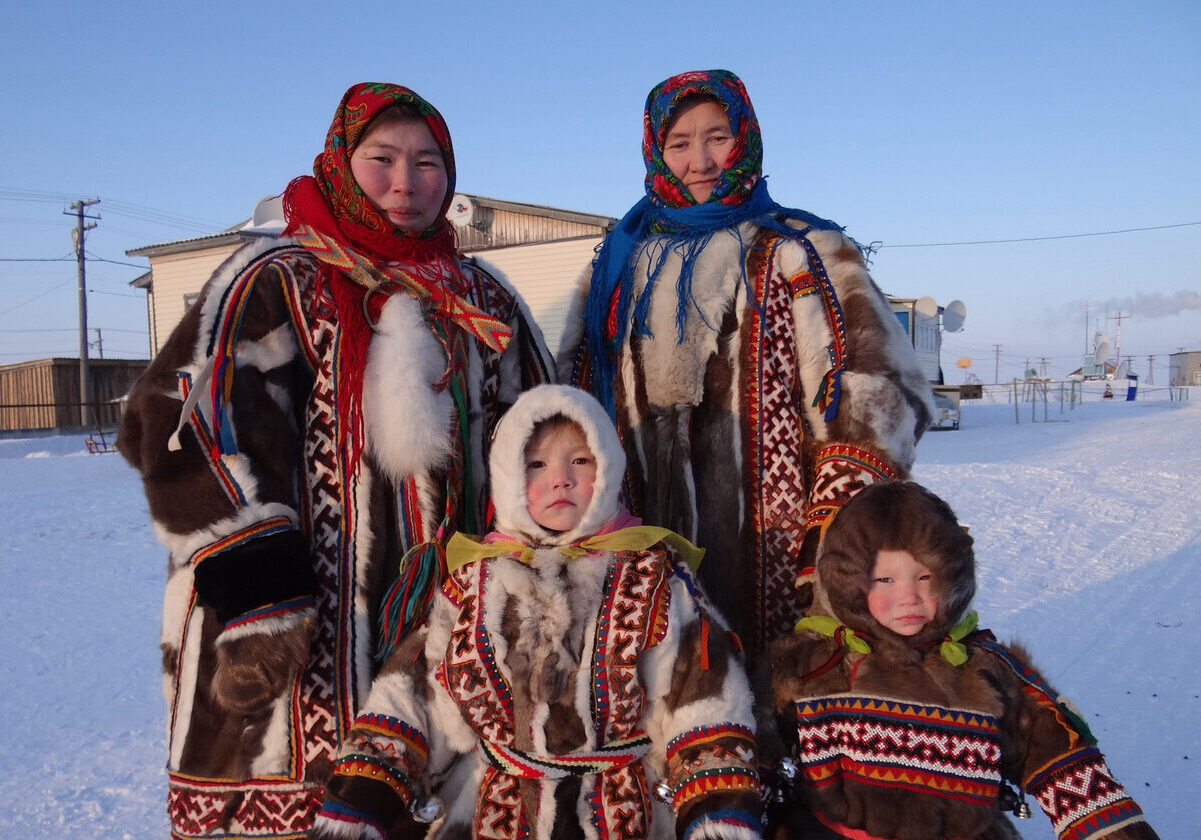
Contemporary steppe peoples include Kazakhs, Mongols, Kyrgyz, and various ethnic minorities across Russia and China. Many have transitioned from nomadic to settled lifestyles, particularly during the Soviet era when collectivization policies forcibly relocated nomadic populations. Yet cultural heritage remains strong, and some communities continue traditional pastoral practices.
Historical Significance: Highway of Empires
The Eurasian Steppe served as the great highway of human history. The open grasslands allowed movement that mountains, forests, and deserts impeded. Armies, merchants, migrants, and missionaries all traversed these plains, carrying goods, technologies, ideas, and religions across continents.
The Silk Road—actually a network of trade routes rather than a single road—crossed the steppe, connecting China with the Mediterranean world. Silk, spices, precious metals, and countless other goods traveled these routes. But commerce carried more than material goods. Ideas, technologies, artistic styles, and religious beliefs spread along with trade goods.
Christianity reached Central Asia via the Silk Road remarkably early. Nestorian missionaries from the Church of the East traveled eastward beginning in the fifth and sixth centuries, establishing communities across Persia, Central Asia, and eventually reaching China. Some Mongol clans—including the Keraites and Naimans—included significant Christian populations before and during the Mongol Empire period.
The Russian Empire expanded across the steppe in the 18th and 19th centuries, bringing Russian Orthodox Christianity to indigenous populations. However, the Soviet era that followed suppressed all religious expression. Atheism was promoted, religious leaders persecuted, and traditional practices—whether Christian, Muslim, Buddhist, or shamanistic—were driven underground.
The Spiritual Challenge: Unreached Peoples of the Steppe
Today, many steppe peoples remain among the world's least reached with the gospel. Of the approximately 6,700 unreached people groups worldwide—those with less than 2 percent evangelical Christian population—more than 300 live in the former Soviet Union, many on or near the steppe. These groups represent over 90 million people, and more than 50 million belong to people groups that are less than 0.1 percent evangelical.
Islam is the dominant religion across much of the Central Asian steppe, having spread through conquest and trade over centuries. Buddhism and shamanism remain influential in Mongolia and among some Siberian peoples. In many communities, traditional religions are deeply embedded in cultural identity—being Kazakh or Mongol is associated with being Muslim or Buddhist respectively.
Geographic isolation compounds the spiritual challenge. The steppe's vast distances mean that many communities remain physically remote from Christian witness. Sparse populations spread across enormous territories make traditional church planting difficult. Limited infrastructure—roads, communications, economic development—restricts access and mobility.
Cultural barriers add further complexity. Christianity is often perceived as a foreign religion—Russian or Western rather than authentically Kazakh, Mongol, or Kyrgyz. Conversion can mean social rejection, family conflict, and loss of community. The cost of following Christ on the steppe is real and significant.
Ministry Across the Grasslands: Contextualized Approaches
Reaching the peoples of the steppe requires approaches adapted to their unique contexts. Traditional Western models of church planting and evangelism often prove ineffective or impossible. Instead, ministry must work with the grain of steppe cultures and leverage their distinctive characteristics.
Hospitality traditions create natural opportunities for relationship building and gospel witness. The steppe's emphasis on welcoming strangers aligns with biblical themes of hospitality and opens doors for believers to share their faith through authentic relationships.
Oral communication patterns matter in cultures where storytelling has been central to transmitting knowledge across generations. Bible stories, testimonies, and narrative approaches to sharing the gospel often resonate more effectively than abstract theological presentations.
Indigenous leadership development is essential. Mission Eurasia's School Without Walls program trains national believers who understand steppe cultures, speak local languages, and can navigate the social dynamics of their communities. Foreign missionaries face visa restrictions, cultural barriers, and suspicion of foreign influence. But Kazakh believers can reach Kazakhs, Mongol believers can reach Mongols, and this approach produces sustainable church growth.
Mission Eurasia maintains active ministry across steppe regions through School Without Walls training in Kazakhstan, partnership with the growing church in Mongolia, and outreach among diverse peoples across southern Russia. The focus remains consistent: equipping national Christian leaders to transform their nations for Christ.
Christianity in Mongolia: A Remarkable Growth Story
Mongolia deserves special mention as one of the steppe's most remarkable ministry stories. In 1990, there were essentially zero Mongolian evangelical Christians. The country had been under Soviet-aligned communist rule since 1924, and decades of atheist suppression had eliminated visible Christian presence.
Then the communist system collapsed, and religious freedom came to Mongolia. Missionaries arrived from Korea, America, and other nations. Within a few years, the first Mongolian believers were baptized. The church began to grow—slowly at first, then with increasing momentum.
Today, estimates suggest between 50,000 and 100,000 Christians in Mongolia, representing approximately 1-2 percent of the population. This growth rate is among the fastest in the world. Young people have led the movement, attracted by the authentic community and transformed lives they see among believers.
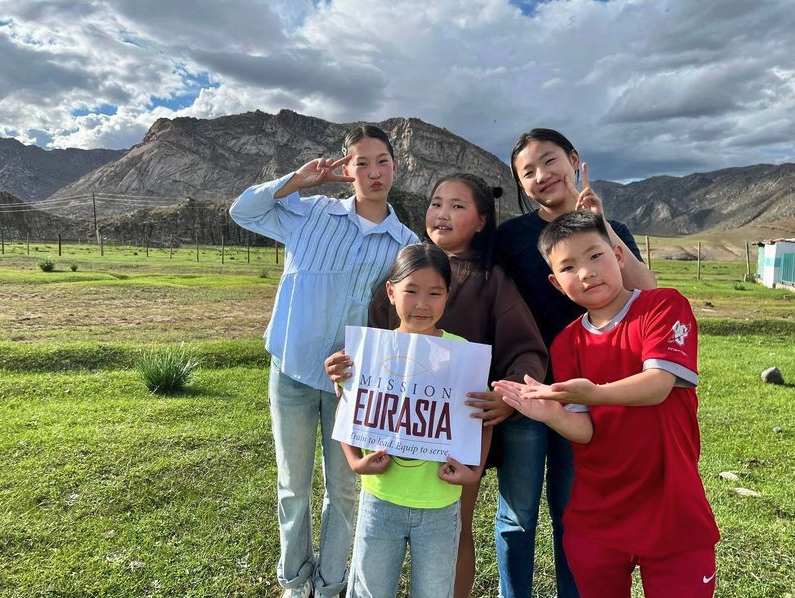
Mission Eurasia's School Without Walls program operates in Mongolia, training national leaders for effective ministry. Summer Bible camps reach Mongolian children with the gospel. Church planting continues across the country. What God has done in Mongolia in a single generation demonstrates what is possible across the steppe.
A Biblical Vision: Gospel for Every Tribe
God's promise to Abraham was that through his offspring "all the families of the earth shall be blessed" (Genesis 12:3). The Great Commission sends the church to "make disciples of all nations" (Matthew 28:19). The vision of Revelation shows "a great multitude that no one could number, from every nation, from all tribes and peoples and languages" worshiping before the throne (Revelation 7:9).
The peoples of the Eurasian Steppe are included in these promises and this mission. Kazakhs and Mongols, Kyrgyz and countless smaller ethnic groups—God desires that all would come to repentance and knowledge of the truth. The steppe's remoteness is no barrier to His purposes.
How You Can Reach the Steppe
The vast needs of the Eurasian Steppe require partnership from believers around the world.
Pray for unreached peoples of the steppe to encounter Jesus. Pray for national leaders navigating vast distances, cultural barriers, and spiritual opposition. Pray for creative ministry approaches that effectively communicate the gospel in nomadic and post-nomadic contexts. Pray for perseverance among isolated believers who may be the only Christians in their communities.
Partner with Mission Eurasia's work across the steppe regions. Support School Without Walls training that equips Kazakh, Mongol, and other national leaders for ministry. Enable summer Bible camps to reach children across the grasslands. Help provide Scriptures in indigenous languages and resources for church planters.
At Mission Eurasia, we train national Christian leaders who understand the cultures and languages of steppe peoples. Your partnership extends the gospel's reach to some of the world's most remote and least-reached communities.
Hope Across the Horizon
The Eurasian Steppe shaped human history. Empires rose and fell across these grasslands. Trade routes carried civilization's treasures from East to West and back again. Armies swept across the horizon, redrawing the maps of nations.
Today, a different kind of transformation is underway. The Kingdom of God is advancing across the steppe through faithful national believers who carry the gospel to their own peoples. The harvest may be slow in this hard soil, but it is coming.
The grasslands stretch endlessly toward distant horizons. And beyond every horizon, there are people who need to hear the Good News of Jesus Christ.
Will you help us reach them?
Related Articles
What is Eurasia?

Help Us Reach the Unreached
From the Eurasian Steppe to the heart of Central Asia, millions have yet to hear the gospel. Partner with us to bring hope to these historically complex and unreached regions.