

Orphan Children: The Challenges and What the Church Can Do

There are over 150 million children worldwide who have lost one or both parents, each facing a future shaped by trauma, poverty, and institutional isolation. Explore the unique challenges facing orphans today—from developmental attachment to the difficulties of aging out of care—and discover how the church is uniquely called to embody God’s heart for the fatherless.
"Defend the weak and the fatherless; uphold the cause of the poor and the oppressed." — Psalm 82:3 (NIV)
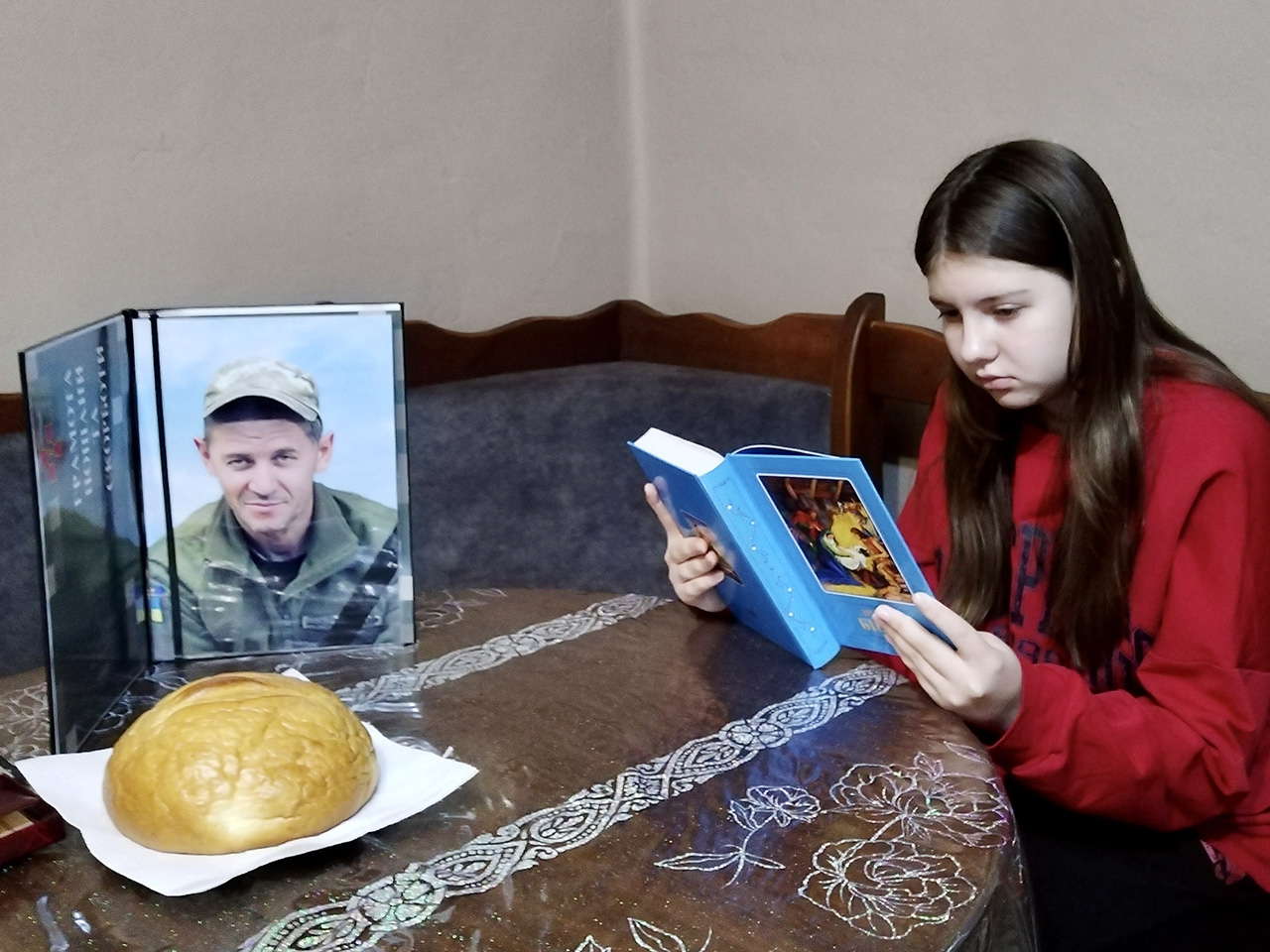
Every year, approximately 5,700 children become orphans—each day bringing new entries into a global population of over 150 million children who have lost one or both parents. Behind this statistic stand real children: a seven-year-old in Ukraine whose father never returned from the war, a teenager in Central Asia whose mother succumbed to illness without access to adequate healthcare, an infant in Russia relinquished to state care by parents overwhelmed by poverty and addiction.
These children face challenges that compound over time. Early losses affect brain development. Institutional care impairs social skills. Stigma limits opportunities. And without intervention, the cycle perpetuates itself—children who age out of the orphan care system often struggle to form healthy families of their own, passing vulnerability to the next generation.
The church is not called merely to observe this suffering but to enter it. Scripture repeatedly identifies care for orphans as central to authentic faith. But what does faithful response actually look like? Understanding the challenges orphan children face helps us craft responses that genuinely serve their flourishing.
The Challenge of Attachment
Human children are born radically dependent, and this shapes psychological development—children form attachments to consistent caregivers that become templates for all future relationships.
When children lose parents, particularly in early years, attachment formation is disrupted. A child who bonds with a mother and then loses her may struggle to trust any caregiver. A child who cycles through placements learns relationships are temporary. A child raised in an institution may never form deep attachment to any adult.
These patterns manifest visibly: some children become "clingy," desperately seeking connection while fearing abandonment; others withdraw emotionally; still others develop superficial friendliness toward any adult that masks an inability to form genuine connection. These patterns don't simply resolve in stable families—healing requires patient, consistent presence over extended time.
The Challenge of Developmental Trauma
Beyond attachment disruption, many orphan children experience trauma that affects multiple developmental domains. A child who witnessed parental death carries memories that resurface unexpectedly. A child removed from an abusive home may have learned survival strategies—hypervigilance, emotional numbing, aggression—that served purpose in dangerous environments but create problems in safe ones.
Institutional settings often compound trauma rather than healing it. Studies of children in post-Soviet orphanages document elevated rates of developmental delays, learning disabilities, and behavioral challenges. The mechanism is partly neurological: early childhood stress shapes brain development, affecting neural pathways responsible for emotional regulation and stress response.
This doesn't mean damage is permanent. Brain plasticity that makes children vulnerable to adversity also makes them responsive to intervention. Consistent, loving relationships can help rewire neural pathways. But healing requires understanding that behavioral challenges often reflect developmental trauma rather than character defects.
The Challenge of Poverty
Orphanhood and poverty intertwine so thoroughly that separating them is nearly impossible. Poverty drives orphanhood—families that cannot afford medical care lose members to treatable illness; families that cannot afford childcare may relinquish children to institutions. Orphanhood drives poverty—children who lose wage-earning parents face immediate economic hardship; children who age out of institutional care often enter adulthood without skills, connections, or resources.
In Eurasia, economic collapse following the Soviet Union's dissolution created waves of social orphanhood. Factories closed. Wages went unpaid. Social safety nets disappeared. Families that had relied on state support suddenly found themselves adrift. Alcoholism—already endemic—intensified as adults sought escape from hopeless circumstances. And children suffered the consequences.
Even children whose physical needs are met in institutional settings often leave without the economic foundation for adult life. They may have received food, shelter, and basic education, but not the social capital—connections, mentoring, family financial support—that helps young people navigate job markets and housing challenges. Studies of youth aging out of post-Soviet orphanages document elevated rates of homelessness, unemployment, and involvement with the criminal justice system.
The Challenge of Education
Education represents both a challenge and an opportunity for orphan children. Academic achievement can provide pathways out of poverty and vulnerability. But many orphan children arrive at school already behind, and institutional settings often fail to provide the support needed to catch up.
Children in orphanages typically attend schools with other institutionalized children or attend public schools that may stigmatize their status. They may lack adults who help with homework, monitor academic progress, or advocate with teachers when problems arise. They may miss school during placement transitions or institutional transfers. And the developmental challenges described above—attachment disruption, trauma responses, neurological differences—all affect classroom learning.
Research from Ukraine indicates that a majority of children in institutional care have never enrolled in school or cannot read. While this isn't universal, it reflects the educational deficits that often accompany orphanhood. Children who might thrive with adequate support instead fall progressively further behind, narrowing their options for adult life.
The Challenge of Transition to Adulthood
In most countries, children "age out" of orphan care systems at 18. In a single day, they transition from complete institutional provision to independent adult life—often without the skills, resources, or relationships that typically support young adults navigating this passage.
Consider what typical 18-year-olds receive from their families: housing during job searches or education, financial support during emergencies, guidance on practical matters from taxes to healthcare to apartment hunting, connections that lead to employment opportunities, and a safety net if early independence doesn't work out. Orphan children aging out of care often receive none of these.
The results are predictable. Studies across multiple countries document elevated rates of homelessness, unemployment, incarceration, early pregnancy, and mental health crisis among youth who age out of institutional care. In Russia, some estimates suggest that within years of leaving orphanages, significant percentages of alumni experience homelessness, criminal conviction, or suicide.
This transition challenge has prompted some institutions and advocates to develop "aftercare" programs—extended support, life skills training, mentoring relationships, and transitional housing for youth leaving institutional care. But these programs remain exceptions rather than norms in most systems.
What the Church Can Do
The challenges are substantial, but the church is not without resources to respond. Scripture's repeated commands to care for orphans aren't merely sentimental—they reflect God's heart for the vulnerable and the church's calling to embody that heart in practical action.
Foster care and adoption provide family-based alternatives to institutional care. In Eurasia, where institutional systems remain dominant, Christian families willing to foster or adopt can literally rescue children from settings that harm their development. This calling isn't for everyone—fostering and adopting children with histories of trauma requires specific gifts, training, and support—but for those called, it represents direct obedience to the biblical mandate.
Family preservation and support can prevent orphanhood before it occurs. Many children enter institutional care not because their parents died but because their families lacked resources to cope with crisis. Churches that provide practical support to struggling families—food assistance, childcare, addiction recovery programs, employment help—can keep children in their homes.
Summer camps and outreach reach children within institutional settings with the love of Christ. Mission Eurasia's summer Bible camps provide transformative experiences for children who may never otherwise encounter the gospel. For many institutionalized children, camp becomes the place where seeds of faith are first planted—relationships with Christian leaders, age-appropriate Bible teaching, and experiences of unconditional acceptance.
Aftercare and transition support help youth aging out of institutional care navigate adulthood. Churches can provide mentoring relationships, practical life skills training, housing assistance during transition, and the connections and social capital that help young people find employment and stability.
Advocacy addresses systemic factors that perpetuate the orphan crisis. Christians can advocate for policies that strengthen families, prioritize family-based care over institutional placement, and provide adequate resources for foster care and adoption systems.
A Biblical Vision
God's heart for orphans isn't passive sympathy but active intervention. Psalm 68:5 names God as "Father of the fatherless"—not merely concerned for orphans but actively assuming the parental role they lack. The church's calling is to embody this divine parenthood in tangible form.
At Mission Eurasia, we've seen what this looks like in practice. Summer camps where institutionalized children first hear that God loves them. Leadership training that equips national believers to address family breakdown in their communities. Home for Every Orphan initiatives that mobilize Christians across Russia and Ukraine to foster, adopt, and advocate.
The challenges facing orphan children are real and substantial. But so is the power of the gospel to transform lives, the capacity of the church to provide the family relationships that heal attachment wounds, and the promise that God Himself defends the cause of the fatherless.
The question is not whether the church can make a difference. The question is whether we will.
Related Articles

Mongolia’s Christian Renaissance: Growth, Challenges, and Transformation
The Eurasian Steppe: Where Nomadic Traditions Meet Christian Mission

Christianity in Azerbaijan: The Church in a Secular Muslim Nation
Turn Compassion Into Action
Orphans and vulnerable children are the first to suffer when a crisis hits. Provide the food, warmth, and emergency aid they need to survive today.