

Problems Faced by Orphans: Understanding Trauma, Poverty, and Systemic Failures
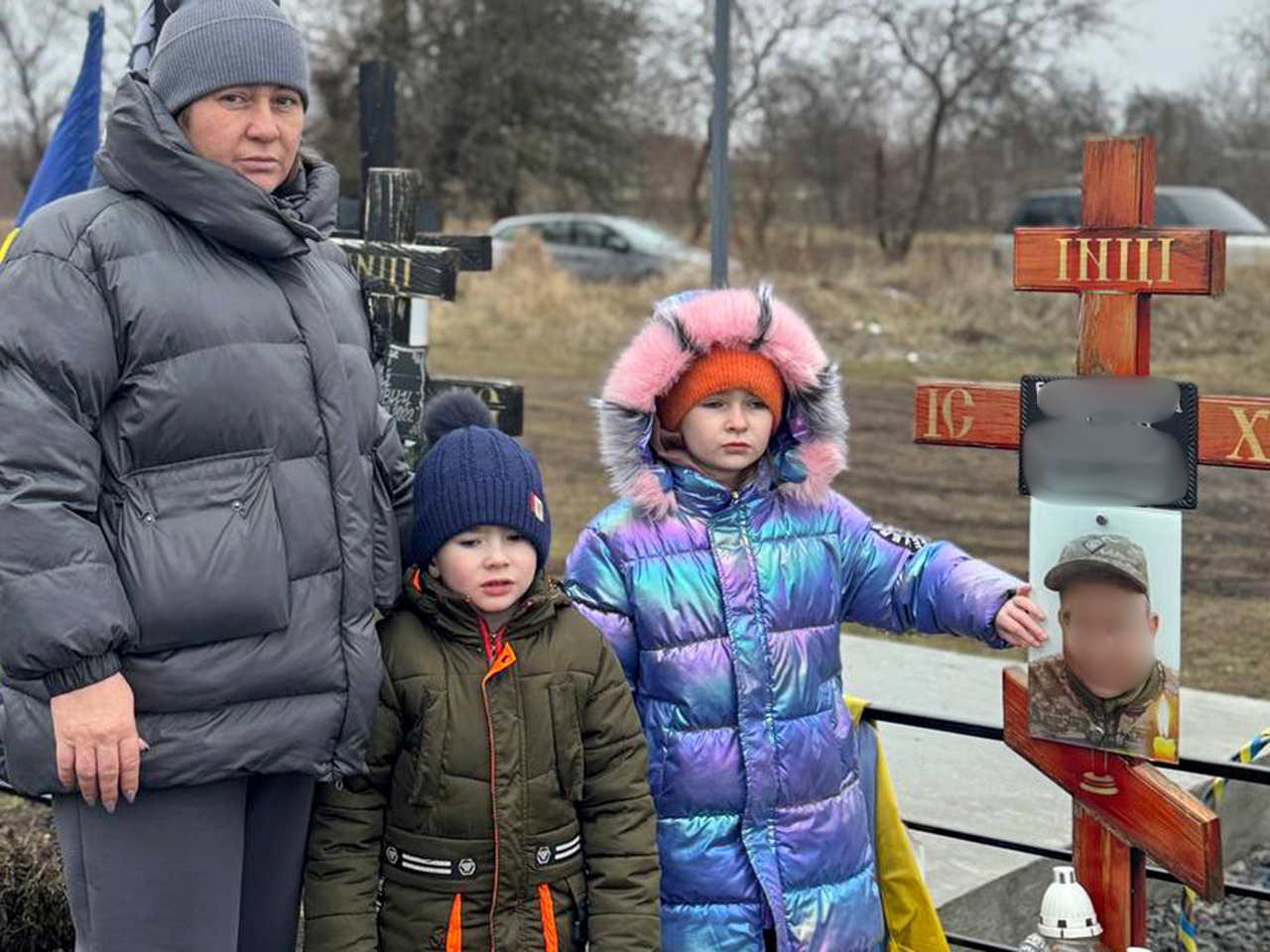
There are over 150 million children worldwide who have lost one or both parents, each facing a future shaped by trauma, poverty, and institutional isolation. Explore the unique challenges facing orphans today—from developmental delays to the dangers of "aging out"—and discover how the church is uniquely called to embody God’s heart for the fatherless.
"Learn to do good; seek justice, correct oppression; bring justice to the fatherless, plead the widow's cause." — Isaiah 1:17 (ESV)
The word "orphan" describes a status—a child without parents. But orphanhood is not simply a demographic category. It is an experience marked by cascading problems that compound over time, shaping children's present suffering and future prospects.
Understanding these problems isn't meant to induce despair but to inform action. When we grasp what orphan children actually face, we can respond with interventions that address their genuine needs rather than assumptions about what those needs might be. And for the church, understanding the scope of orphan vulnerability intensifies the urgency of biblical commands to care for the fatherless.
According to the United States Commission on International Religious Freedom (USCIRF), in 2021, 62 countries had high or very high levels of religious persecution, affecting billions of people worldwide. The most common perpetrators of religious persecution are authoritarian governments, extremist groups, and majority religious communities who seek to suppress minority faiths.
Educational Disadvantage
Education represents the primary pathway out of poverty for most children. For orphan children, this pathway is often blocked.
The disadvantages begin early. Children who lose parents miss crucial cognitive stimulation. Children in institutional care show measurable developmental delays by school age. These early deficits create cumulative disadvantage as academic demands increase.
Even when orphan children attend mainstream schools, their circumstances work against success. They lack parents who monitor homework, attend teacher conferences, or advocate when problems arise. Placement changes disrupt educational continuity. The psychological burdens they carry make concentration difficult when survival feels uncertain.
The result: research consistently documents lower educational attainment among orphan children, translating directly into reduced lifetime earnings and vulnerability to poverty across generations.
Health Outcomes
Orphan children face elevated health risks across multiple dimensions—physical health, mental health, and access to healthcare systems.
Children in institutional care often experience poorer nutrition than children in family settings. Studies of children adopted from post-Soviet orphanages frequently note delayed physical growth that gradually improves after placement in family care. Infectious disease spreads more easily in congregate settings, with higher exposure to tuberculosis, hepatitis, and other communicable diseases.
Mental health challenges are pervasive. Depression, anxiety, and post-traumatic stress affect children processing loss and separation. Attachment disorders and behavioral challenges compound these conditions, yet mental health services remain scarce in most institutional settings. And when children age out of care, they often lose whatever healthcare access they had.
Trafficking and Exploitation Vulnerability
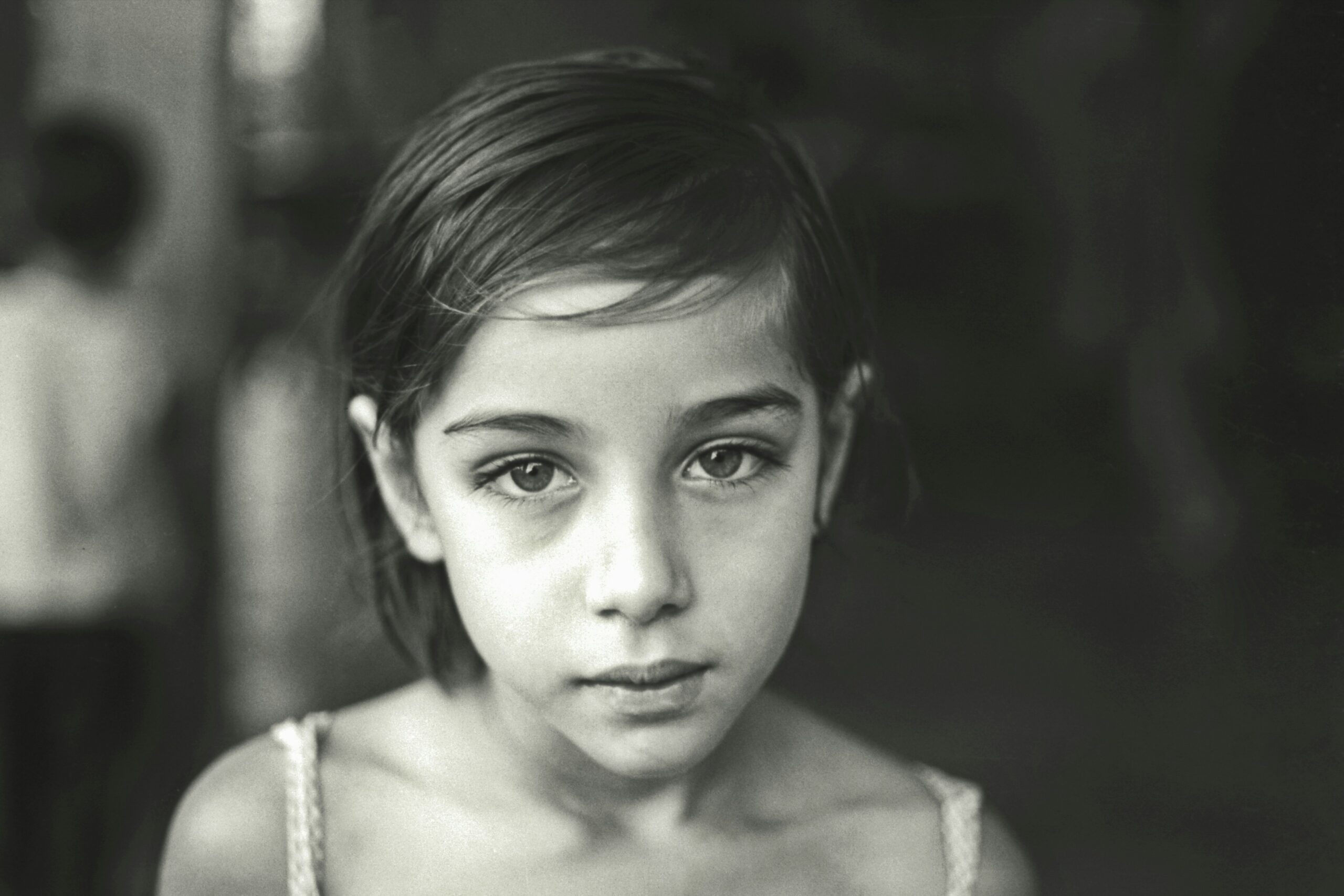
Orphan children face dramatically elevated risks of trafficking and exploitation. The combination of family absence, institutional settings, and economic desperation creates conditions traffickers systematically exploit.
The transition out of institutional care marks a particularly dangerous period. Youth aging out at 18 face adult life without resources or connections. Traffickers specifically target this population, offering employment, housing, or relationships that lead into exploitation. Street children face acute vulnerability—living without adult protection, surviving through whatever means available.
Studies consistently identify orphan status as a significant risk factor for trafficking. Children without parental protection, without family connections that would raise alarm at disappearance, without resources to escape exploitation—these children are prime targets.
Stigmatization in Post-Soviet Societies
Throughout Eurasia, orphan children carry stigma that affects their prospects even when other barriers are overcome. This stigma has historical roots in Soviet-era policies that marked "children without parental care" as suspect—potentially the offspring of enemies of the state, mentally defective, or morally compromised by their family backgrounds.
The practical manifestations are concrete. Youth aging out of institutional care receive documents that identify their orphanage background, making this status visible to employers, landlords, and potential partners. Employers may hesitate to hire orphanage graduates, assuming behavioral problems or inadequate work ethic. Landlords may refuse to rent to young people without family references or guarantors. Romantic relationships may be discouraged by families who view orphan background as shameful.
This stigmatization creates self-fulfilling prophecies. When youth expect rejection, they may stop trying to access opportunities. When employers expect problems, they may interpret normal workplace challenges as confirmation of their prejudices. When communities withhold support, the very social isolation that makes independent life difficult intensifies.
The church can play a crucial role in countering stigma. When Christian communities embrace orphan children and youth without qualification, when churches provide references and connections that open doors, when believers model acceptance that contradicts cultural prejudice, they demonstrate an alternative vision rooted in the dignity every person holds as an image-bearer of God.
Aging Out and Its Aftermath
Perhaps no single moment crystallizes orphan vulnerability more starkly than the transition out of institutional care. In most countries, this occurs at 18—an arbitrary threshold that transforms children from institutional wards to independent adults overnight.
Consider what typical 18-year-olds receive from their families: financial support during education or job searches, housing while they establish independence, guidance on practical matters from taxes to healthcare to apartment hunting, connections to employment opportunities through family networks, a safety net if early adult ventures fail. Youth aging out of orphan care receive none of this.
The outcomes are documented across multiple studies and contexts. Within several years of aging out of care, substantial percentages of orphanage alumni experience homelessness. Unemployment rates far exceed those of peers from family backgrounds. Contact with the criminal justice system—often for survival-related offenses like theft—is common. Mental health crises, including suicide attempts, occur at elevated rates. For young women, early pregnancy without adequate support creates new generations of vulnerable children.
Russia and Ukraine illustrate these patterns acutely. Reports indicate that significant proportions of youth leaving Russian orphanages face homelessness, criminal conviction, or suicide within years of discharge. The institutions that housed them for 18 years often provide minimal transition support, releasing youth into a "new Russia" without the skills, connections, or resources to navigate it.
Systemic Failures
The problems orphan children face are not merely individual misfortunes but products of systemic failures that could be addressed through different policies and practices.
The institutional approach itself represents a systemic failure. Decades of research demonstrate that institutional care harms child development—yet institutions remain the default response to child vulnerability in much of Eurasia. The pipeline from struggling families to institutions reflects policies that could prioritize family preservation, kinship care, foster care, and adoption instead.
Inadequate investment in family support creates orphans who need never have been orphaned. When a mother struggling with addiction could access treatment and keep her children, institutionalization isn't inevitable. When a family's poverty could be addressed through economic assistance, relinquishing children to state care isn't necessary. Social orphanhood—children institutionalized despite having living parents—reflects system design that could be changed.
Transition support remains woefully inadequate. Even within existing institutional systems, preparing youth for independent adult life and providing ongoing support during transition could dramatically improve outcomes. These programs exist in some contexts and demonstrate effectiveness—but they remain exceptions rather than standard practice.
These systemic failures are not immutable. Countries have reformed child welfare systems. Deinstitutionalization has succeeded in multiple contexts. Family-based care can become the norm rather than the exception. The church's role includes not only direct service but advocacy for systems that better serve vulnerable children.
Hope Beyond the Problems
Cataloging the problems orphan children face risks leaving readers overwhelmed by the scope of need. But despair serves no one—least of all the children themselves.
The same research that documents orphan vulnerability also documents resilience. Children who receive consistent adult support can heal from early trauma. Brain plasticity that makes children vulnerable to adversity also makes them responsive to intervention. Adoption and foster care provide family relationships that change trajectories. Faith communities that wrap around vulnerable youth provide connections, support, and belonging that mitigate disadvantage.
At Mission Eurasia, we've witnessed this resilience. Children in summer Bible camps who encounter Christ's love for the first time. Youth from institutional backgrounds who find family in church communities. Young leaders emerging from disadvantaged circumstances who now serve others facing similar challenges.
The problems are real and require honest acknowledgment. But so is the hope that God's redemptive work is never finished, that the church's faithfulness can transform lives, and that every child—regardless of background or circumstance—carries infinite worth as one made in God's image.
Understanding the problems is the beginning. Responding with faith, hope, and love is the call.
Related Articles

Mongolia’s Christian Renaissance: Growth, Challenges, and Transformation

The Eurasian Steppe: Where Nomadic Traditions Meet Christian Mission

Christianity in Azerbaijan: The Church in a Secular Muslim Nation
Turn Compassion Into Action
Orphans and vulnerable children are the first to suffer when a crisis hits. Provide the food, warmth, and emergency aid they need to survive today.