

Types of Orphans: Understanding Vulnerability Beyond Traditional Definitions
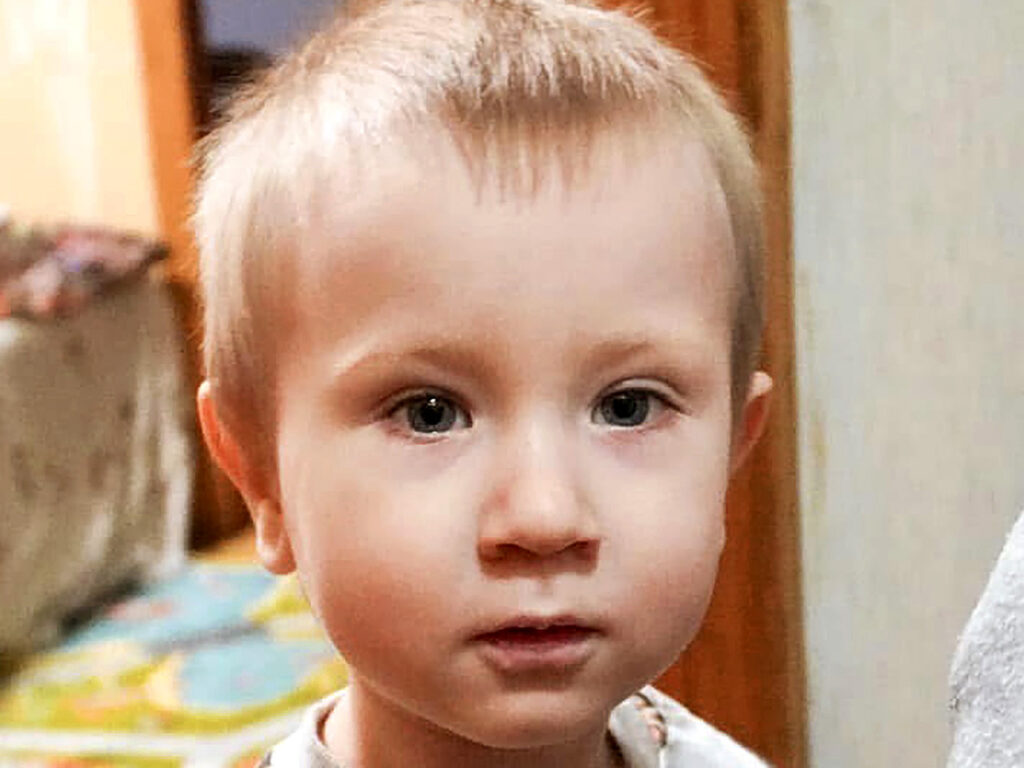
While many define an "orphan" only as a child who has lost both parents, the reality is far more complex. From single and double orphans to the "social orphans" of Eurasia, understanding these distinct categories is essential for providing effective, gospel-centered care to the world's most vulnerable children.
"He executes justice for the fatherless and the widow, and loves the sojourner, giving him food and clothing." — Deuteronomy 10:18 (ESV)
When most people hear the word "orphan," they picture a child who has lost both parents to death—a Dickensian image of complete familial absence. But the reality of orphanhood is far more varied, and understanding these distinctions is essential for anyone seeking to serve vulnerable children effectively.
The categories of orphanhood matter not as academic exercises but as guides to appropriate response. A child whose mother died of AIDS in sub-Saharan Africa faces different challenges than a child in Ukraine whose parents struggle with alcoholism. Both need care, but the shape of that care differs dramatically. The church's call to serve orphans requires us to understand who these children actually are.
Maternal, Paternal, and Double Orphans
The most basic classification distinguishes children by which parent or parents they have lost.
Maternal orphans have lost their mothers while their fathers survive. Historically, maternal orphanhood carried particularly severe consequences—in many cultures, children remained with their mother's family, and her death could mean separation from fathers who had limited caregiving roles. Even today, maternal orphans face elevated risks because mothers typically serve as primary caregivers and emotional anchors for children's development.
Paternal orphans have lost their fathers while their mothers survive. In contexts where fathers serve as primary breadwinners, a father's death can plunge families into poverty, forcing mothers to work long hours and leaving children without adequate supervision. Paternal orphans constitute the largest category globally because men face higher mortality rates from violence, occupational hazards, and certain diseases.
Double orphans have lost both parents. While representing a smaller proportion of the global orphan population—approximately 13-17 million children—double orphans face the most acute need for alternative care arrangements. These children typically live with extended family members, often grandparents or aunts and uncles who absorb them into existing households. When extended family cannot provide care, double orphans may enter foster systems or institutions.
These categories help identify immediate needs. A maternal orphan may need a father-support program that helps surviving dads manage caregiving responsibilities they've never handled before. A paternal orphan's family may need economic assistance to replace lost income. A double orphan may need placement services to ensure family-based care rather than institutionalization.
Social Orphans: The Hidden Crisis
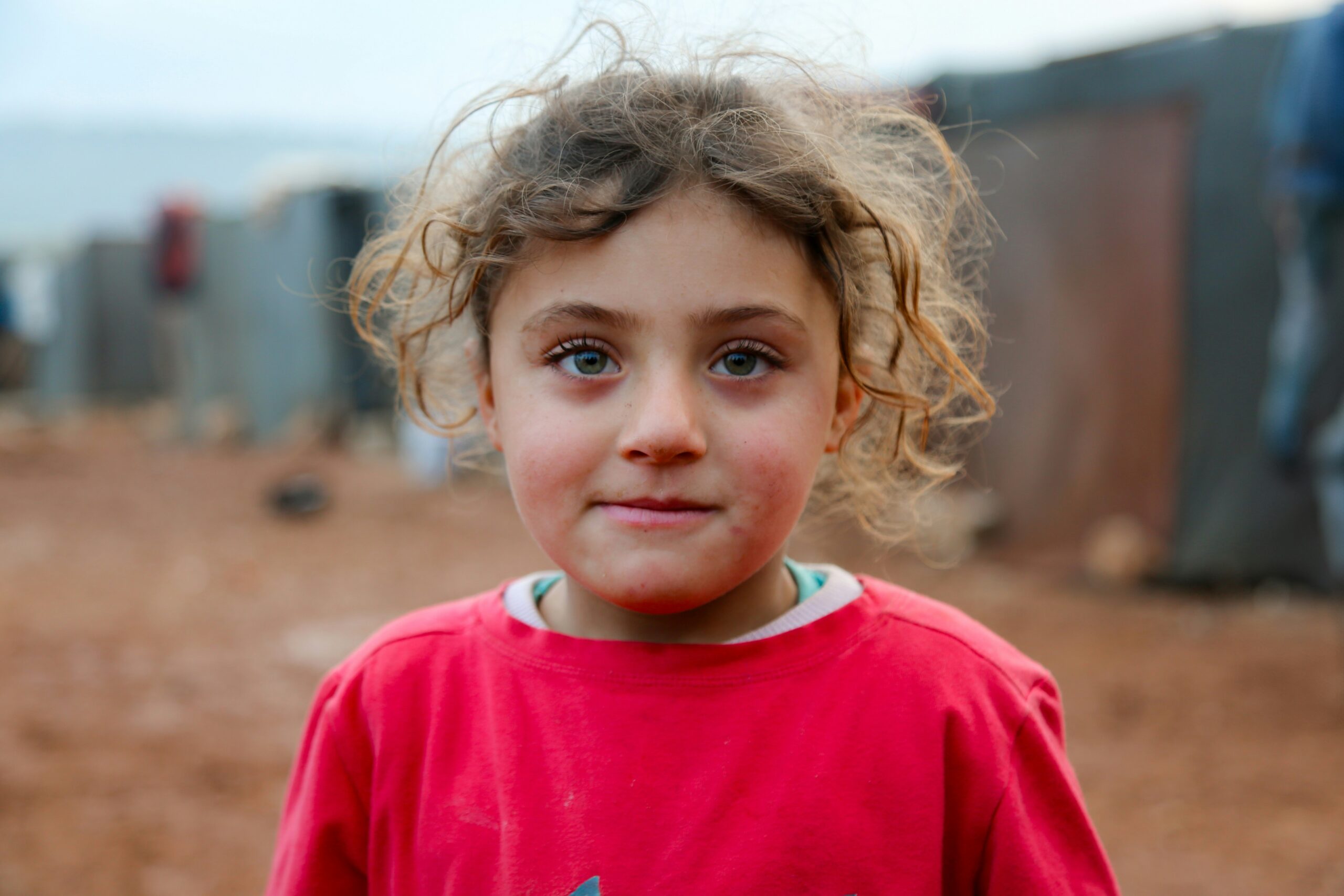
Perhaps no category carries more significance for understanding orphanhood in Eurasia than "social orphans"—children whose parents are alive but unable or unwilling to care for them. This term emerged from Soviet-era social policy but describes a phenomenon that has reached crisis proportions throughout the former Soviet states.
Consider the numbers: before Russia's 2022 invasion, Ukraine had approximately 105,000 children in residential institutions. Of these, roughly 75 percent were social orphans with at least one living parent. In Russia itself, 95 percent of the 600,000+ children classified as "without parental care" have living parents. These children aren't orphaned by death. They're orphaned by poverty, addiction, incarceration, disability, and systemic failures that offer institutional care as the default solution to family crisis.
The causes of social orphanhood in Eurasia are deeply rooted in Soviet history and post-Soviet economic collapse. The Soviet state promoted the ideology that institutional care was superior to imperfect families. Orphanages and boarding schools were seen as efficient solutions to social problems—children of "unreliable" parents could be removed and raised by the state to become good Soviet citizens.
This ideology created a pipeline that persists today. When families struggle with poverty, the system's first response is often institutional placement rather than family support. When parents battle alcoholism—an epidemic across Russia and Ukraine—children may enter state care even when extended family could provide adequate supervision with resources and support.
Social orphans face unique challenges. They often maintain awareness that their parents are alive, creating complex emotions around abandonment, loyalty, and hope for reunification. They may cycle between institutions and family homes as parental circumstances change. And they frequently age out of the system without resolution—neither fully orphaned nor fully connected to their biological families.
AIDS Orphans
The HIV/AIDS epidemic created a distinct category of vulnerable children. As of 2024, approximately 13.8 million children worldwide have lost one or both parents to AIDS-related causes. Three-quarters live in sub-Saharan Africa, where the disease often claims both parents within a relatively short timeframe, creating sibling groups of double orphans cared for by grandmothers who are themselves grieving.
Stigma compounds these children's vulnerability—discrimination, reduced inheritance rights, and reluctance from extended family to absorb them. While less prevalent in Eurasia than Africa, HIV/AIDS does affect children in Russia, Ukraine, and Central Asia.
Economic Orphans
Some children become functionally orphaned through economic migration. When parents leave their countries for work, children may be left with extended family or without adequate supervision.
This phenomenon affects children throughout Central Asia, where parents often migrate to Russia for employment. Children may go years without seeing parents, raised by grandparents while parents send remittances home. The emotional toll of parental absence during critical developmental years cannot be replaced by economic provision.
Street Children
Street children represent extreme vulnerability regardless of technical orphan status. Estimates suggest tens of millions of children worldwide live primarily on streets, though accurate counts are difficult because these populations are transient and often invisible to official tracking.
Some street children are true orphans with no living parents. Others have run away from abusive homes or institutional care. Still others have families but spend most of their time on streets due to poverty, working or begging to contribute to household income.
In Eurasia, street children typically emerge from the intersection of family breakdown and institutional failure. Children who age out of orphanages at 18 without adequate preparation for adult life sometimes end up on streets. Children who escape abusive institutional settings may prefer street life to returning to care. Children from families disrupted by addiction, domestic violence, or poverty may find streets safer or more promising than home.
Institutionalized Children
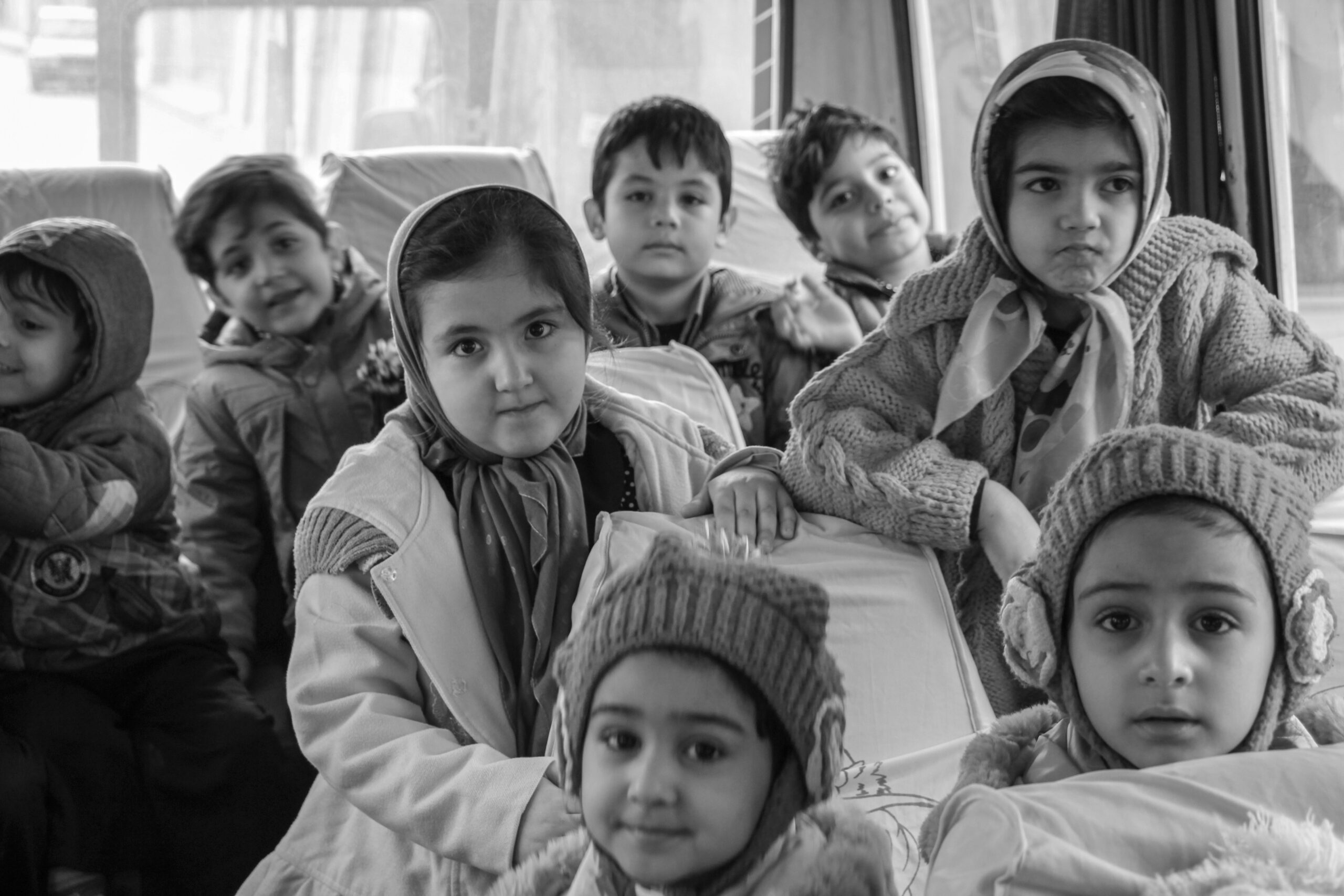
An estimated 8-10 million children live in institutional settings worldwide. Many have living parents or extended family members—they're institutionalized not because family care is unavailable but because systems have channeled them into residential facilities.
In Ukraine and Russia, the "internat" system—a network of state-run boarding schools—houses children of all backgrounds. Research consistently demonstrates that institutional care harms child development, which is why advocates increasingly push for deinstitutionalization. Ukraine adopted reform plans in 2007 and 2017, though the 2022 war disrupted these efforts while creating new categories of displaced children.
Vulnerable Children Beyond Orphanhood
The category of "orphans and vulnerable children" (OVC) recognizes that orphan status is one indicator of child vulnerability among many. Children may face orphan-like vulnerability due to parental disability, chronic illness that doesn't result in death, extreme poverty, or living in conflict zones.
A child whose parent has severe mental illness may functionally lack parental care without being technically orphaned. A child in an active conflict zone may be separated from living parents with no way to reunite. A child whose family has been displaced by war may have lost the extended family networks that would typically provide support.
Understanding these broader patterns of vulnerability helps the church respond to children's actual needs rather than narrow categories. The call to care for orphans in James 1:27 is not a technical definition but a summons to serve the most vulnerable—wherever they are found and whatever their precise circumstances.
Why This Matters for Ministry
Different types of orphanhood call for different responses. A child orphaned by AIDS in Africa may need medical support alongside family care. A social orphan in Ukraine may need family reunification services that address parental addiction. An institutionalized child may need advocacy for placement in family-based care. A street child may need immediate safety and long-term reintegration support.
Mission Eurasia's approach recognizes this complexity. Our summer Bible camps serve children in orphanages—reaching them with the love of Christ within institutional settings while supporting broader efforts toward family-based alternatives. Our leadership training equips national believers to address the root causes of family breakdown in their communities. Our Home for Every Orphan initiative mobilizes Christians to foster, adopt, and advocate for vulnerable children in ways appropriate to each child's circumstances.
The categories matter because children matter. Each child—social orphan, AIDS orphan, double orphan, or vulnerable child who doesn't fit any neat category—bears the image of God. Understanding the types of orphanhood helps us serve each one according to their actual need.
Related Articles

Mongolia’s Christian Renaissance: Growth, Challenges, and Transformation
The Eurasian Steppe: Where Nomadic Traditions Meet Christian Mission

Christianity in Azerbaijan: The Church in a Secular Muslim Nation
Turn Compassion Into Action
Orphans and vulnerable children are the first to suffer when a crisis hits. Provide the food, warmth, and emergency aid they need to survive today.